From Nairobi to Haikou: A Kenyan Student’s Journey into China’s Tech Future
By Brian Lian Kamene
MBA Student, China Agricultural University (Sanya Institute)
Last week, I traded my usual classroom in Sanya for something much bigger. I attended the Haikou Consumer Expo 2026 – and let me tell you, as a Kenyan student far from home, what I saw completely rewired my understanding of where technology is headed.
I grew up in Kenya watching Chinese companies build our roads, railways, and now our digital infrastructure. But seeing these innovations up close? That was different. That was personal.
Here is what this Kenyan MBA student discovered at one of Asia’s largest consumer expos.
The Moment My Jaw Dropped: Live Translation Glasses
I walked up to the iFLYTEK booth expecting another pair of fancy earbuds. I was wrong.
A representative handed me a pair of glasses that looked completely normal. Then she spoke Mandarin. Within two seconds, English subtitles appeared right on the lenses – floating in front of my eyes like something from a sci-fi movie.
I tested the earbuds next. I spoke English. A Chinese visitor heard Mandarin. She spoke Mandarin. I heard English. Real time. 180 languages.
My first thought? This would change everything at JKIA. This would change everything at the UN offices in Nairobi. This would change everything.
For a Kenyan student struggling with Mandarin classes, these glasses felt like a superpower.
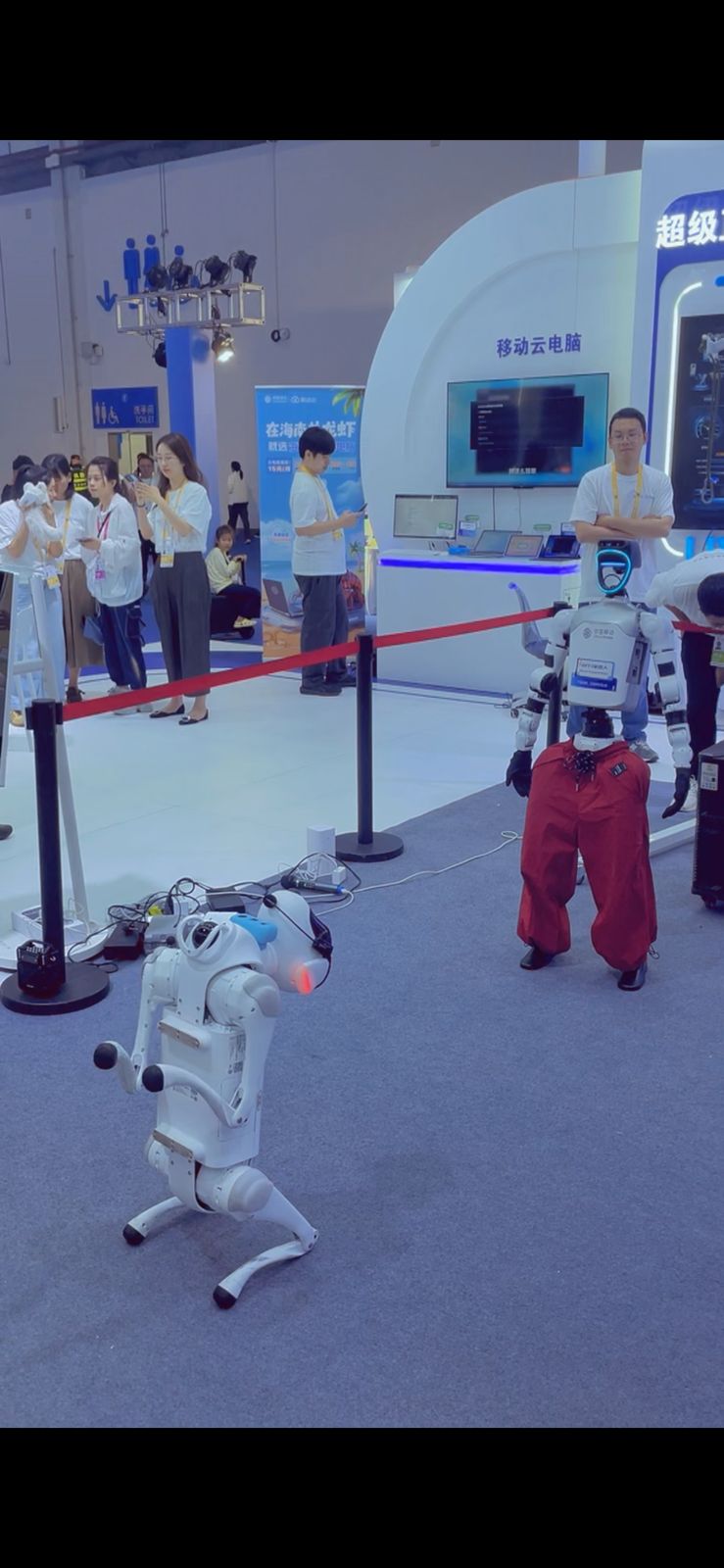
Robots That Feel Alive
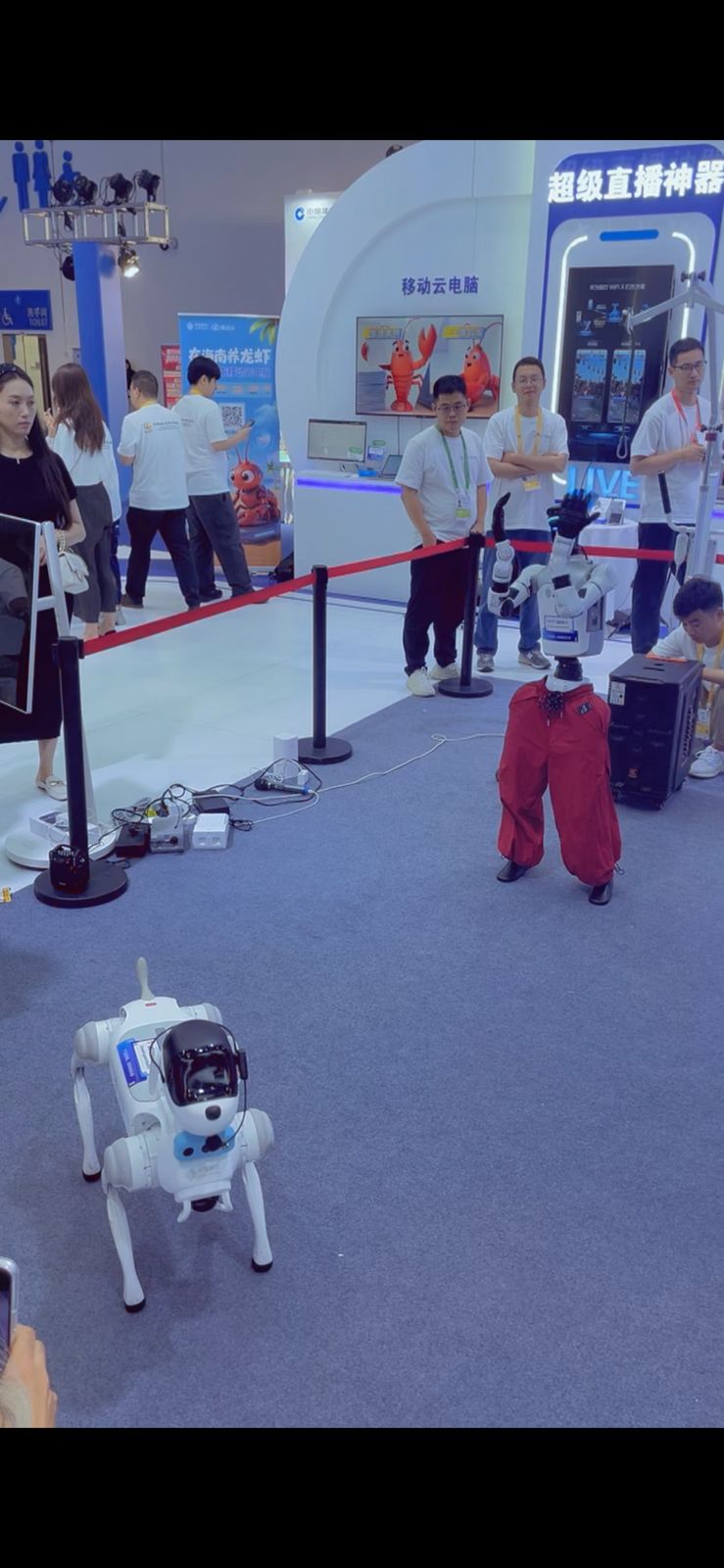
I am not exaggerating when I say I forgot I was looking at machines.
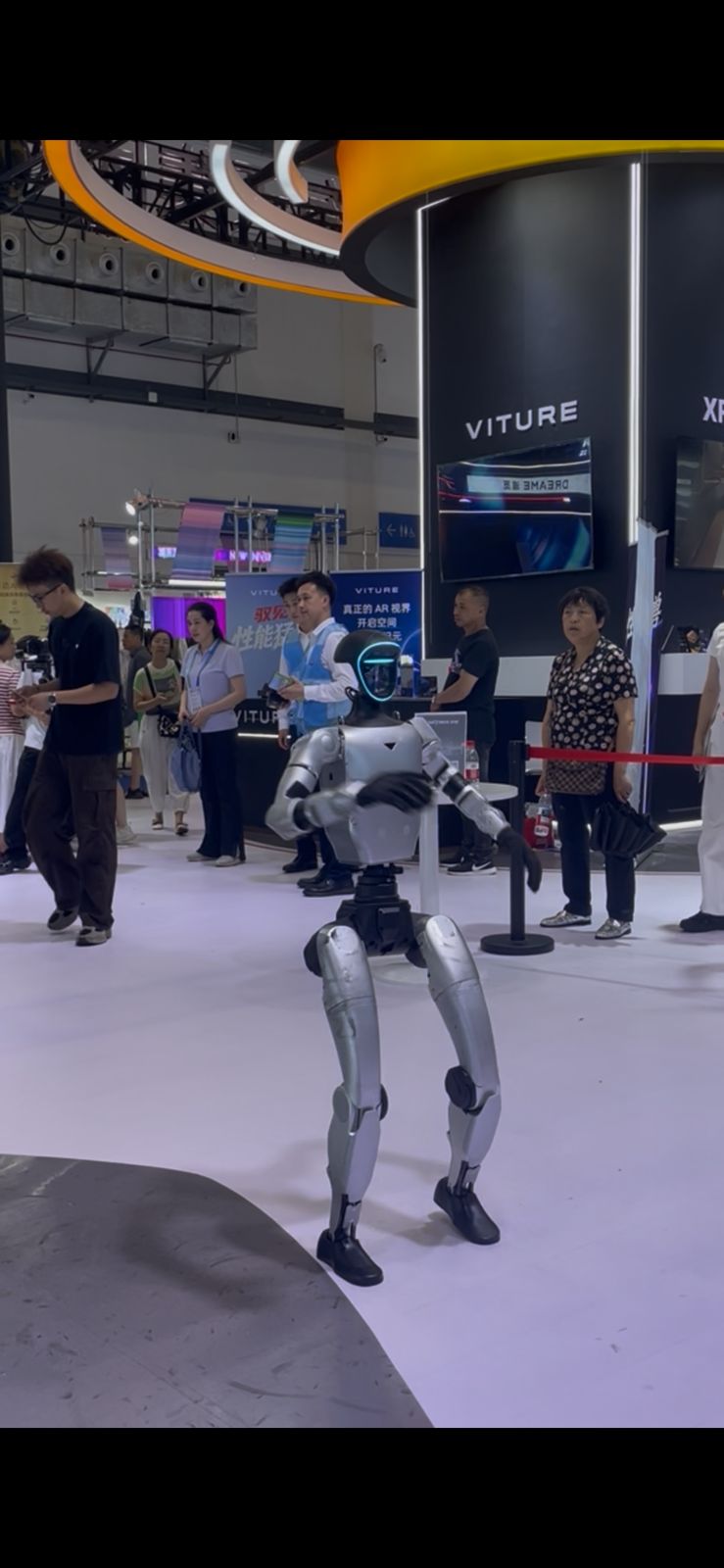
One robotics company had humanoid robots that:
- Danced – and not stiff robot dancing. Actual choreography.
- Talked – held conversations, answered questions, even told jokes.
- Walked – naturally, like a real person.
Then there was the robot dog. It followed commands, climbed over small obstacles, and even “played ” when someone said the command. I asked the engineer what it costs. He smiled and said, “Not for consumers yet.” But you could see in his eyes – this is coming to security, to delivery, to rescue operations.
And the scariest part? These robots had integrated AI that learned from every interaction. The more people talked to them, the smarter they got.
Dancing Robots and Electric Dreams
There was a section of the expo dedicated entirely to autonomous electric vehicles. Chinese companies are not just making electric cars – they are making cars that drive themselves in ways I have never seen.
One sedan pulled into a parking spot with no driver inside. The steering wheel moved on its own. The car reversed, adjusted, and parked perfectly. Then it unlocked its own doors.
I stood there thinking: In Kenya, we are still arguing about matatu routes. These cars don’t even need drivers.
What This Means for Kenya – And Africa
I am writing this blog not just to share my excitement, but because I believe Kenyans need to see what is coming.
But here is my honest observation: Chinese companies want to go global, but they don’t always know how to tell their story to Africans. At the expo, most booths had materials in Mandarin and English – but nothing in Swahili. No one mentioned Kenya specifically.
That is an opportunity. For Kenyan entrepreneurs. For Kenyan tech students. For Kenyan policymakers.
The Hard Truth: Language and Trust
I interviewed several Chinese company representatives. Many could not speak English well. But the ones who engaged? They were genuinely curious about Africa.
One robotics engineer asked me: “Would Kenyan hospitals trust a robot nurse?” I told him honestly: “Not yet. But give it five years.”
Another asked: “Would Kenyan farmers use AI drones to check crops?” That one was easier. “Yes,” I said. “They already use Chinese drones.”
The gap is not technology. The gap is trust and storytelling. Chinese companies need African partners who understand both worlds. That could be you. That could be me.
What I Brought Back to Campus
I returned to Sanya with three things:
- A sore body – from testing a 6,000 RMB massage chair for 15 minutes. It massaged from my head to my feet. My grandmother (back in Kenya) would cry if she tried it.
- A notebook full of ideas – about how Kenyan startups could partner with these Chinese tech giants.
- A burning question – Why aren’t more African students at these expos?
If you are studying in China – whether in Beijing, Shanghai, Guangzhou, or here in Sanya – go to these expos. They are often free for students. They are full of companies that have never met a Kenyan before. They are hungry for new markets.
You don’t need to be an engineer. You don’t need to be a business major. You just need to show up, ask questions, and take notes.
The future of technology is being built right now. And Kenyans have a seat at the table – if we choose to sit down.
Brian Lian Kamene is an MBA student at China Agricultural University (Sanya Institute). He is currently researching Chinese brand globalization and African market entry strategies.