
Thinner Than Ever: The New Frontier in the Smartphone Wars
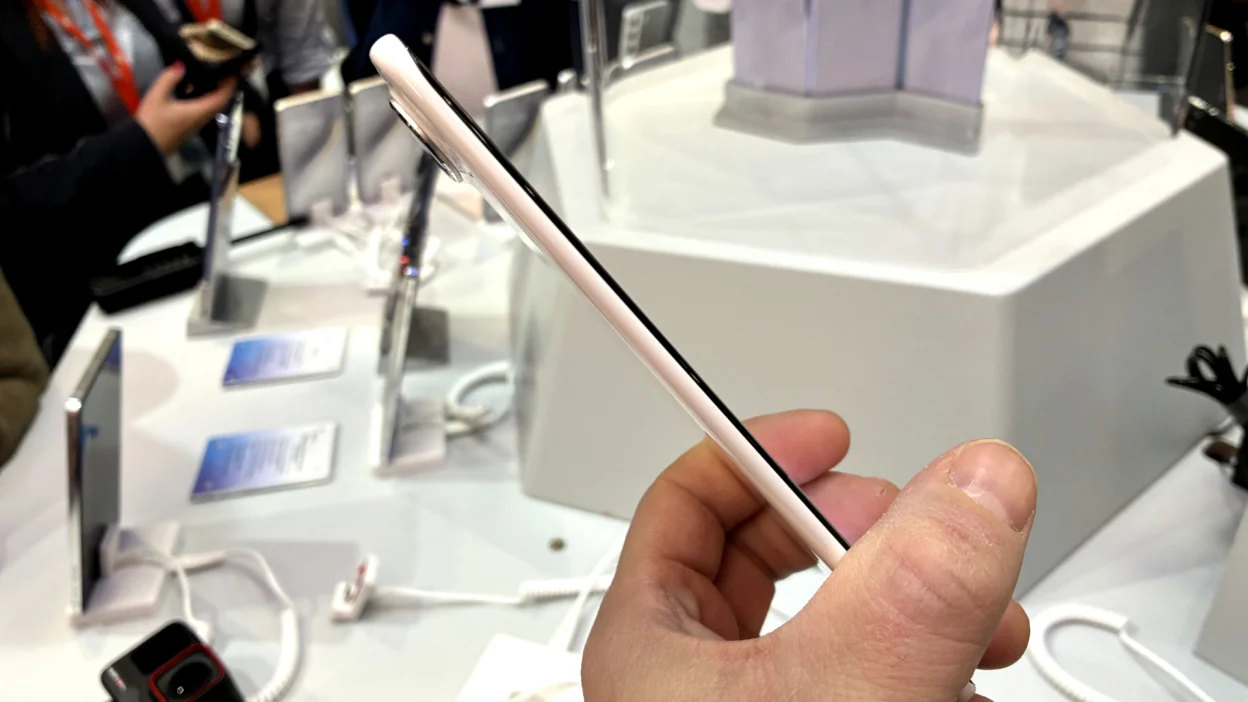
The global smartphone war is taking a new turn as top manufacturers pivot from camera megapixels and AI integrations to an intense competition over who can produce the slimmest, sleekest phone on the market.
In recent months, major players including Apple, Samsung, Xiaomi, Honor, Tecno, Infinix and Motorola have doubled down on ultra-thin designs in a bid to capture style-conscious consumers and tech enthusiasts alike.
The trend marks a shift in the premium smartphone battleground, with aesthetics and portability now seen as key differentiators in a saturated market.
Last month, Chinese smartphone maker Honor unveiled its Magic V3, which it dubbed “the thinnest foldable phone in the world.” At just 9.9mm when folded, the Magic V3 is thinner than many traditional smartphones and has thrown down the gauntlet to rivals in both the foldable and flat phone segments.
Not to be outdone, Motorola launched the 2025 Razr+, an ultra-slim flip phone that leverages nostalgia and modern engineering to win over users.
Meanwhile, Apple is reportedly planning to make its upcoming iPhone 17 series slimmer, in line with the design cues of the latest iPad Pro, which measures a mere 5.1mm in thickness.
According to market analysts, the push toward thinner smartphones is being driven by several factors: advancements in component miniaturization, consumer demand for pocket-friendly devices, and the desire to stand out in a market where performance improvements are becoming marginal year-on-year.
The trend is particularly visible in the foldable phone segment, once dismissed as gimmicky but now gaining traction.
Read Also: OPPO Find N5: The World’s Thinnest Foldable Now in Kenya
As engineering challenges are overcome, manufacturers are not only reducing thickness but also improving durability, battery life, and hinge mechanisms.
Honor’s Magic V3, for example, features aerospace-grade materials and a redesigned hinge that reduces bulk without compromising strength.
But the slim race is not without its trade-offs.
Critics argue that ultra-thin phones often come at the expense of battery capacity, thermal performance, and durability.
Still, consumer appetite for thin devices remains strong, especially in Asia and parts of Europe where fashion and portability are top purchasing considerations.
Social media has also fueled the trend, with influencers and tech reviewers routinely praising minimal, elegant form factors.
According to a 2025 Q2 report by Counterpoint Research, smartphone buyers aged 18–35 listed “design and feel” among the top three factors influencing purchase decisions, alongside battery life and camera quality.
As manufacturers gear up for their next flagship releases, the question is no longer just who has the best camera or fastest chip — but who can deliver cutting-edge power in the thinnest possible frame.
With product launches expected from Apple, Samsung, and Xiaomi in the coming months, the battle for the world’s best smartphone may ultimately be decided not by what’s inside — but by how thinly it can be packed.