Smart Appliances Promise Faster Laundry and Lower Energy Bills
For many Kenyans living in Nairobi’s apartments, laundry is not just about washing clothes. It is also about finding space for a washing machine, drying wet garments and fitting household chores into already busy schedules.
As apartment living becomes more common, appliance makers are rethinking how laundry equipment fits into modern homes, shifting from bulky, separate machines towards compact systems that combine washing, drying and smart controls.
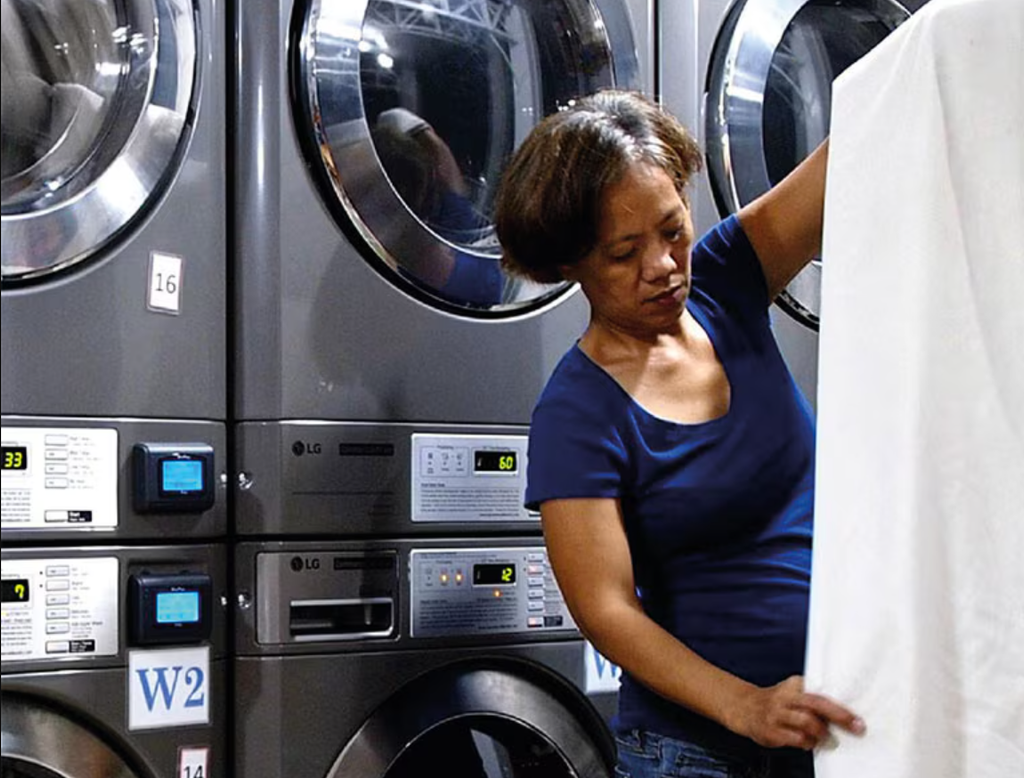
One example is the LG WashTower, an integrated washer-dryer designed to occupy less floor space while automating parts of the laundry process.
The shift reflects a broader change in the home appliance market, where manufacturers are increasingly competing on convenience, energy efficiency and connectivity rather than simply the power of their machines.
For households squeezed into smaller homes, the appeal is straightforward: more functionality without sacrificing valuable living space.
Traditional laundry setups often require room for separate washing and drying machines, with additional space needed to sort, fold and store clothes. In apartments where utility areas double as storage spaces, this arrangement can be difficult to maintain.
Stacked washer-dryer systems offer an alternative by placing the two machines in one vertical unit. Integrated controls also eliminate the inconvenience of reaching for panels positioned high above a stacked dryer.
The design could also appeal to property developers looking to maximise usable floor space while providing modern household amenities in apartments and other high-density residential developments.
But the changes extend beyond the physical size of appliances. Manufacturers are increasingly using artificial intelligence and sensors to reduce the amount of work users must do when washing clothes.
LG’s AI Direct Drive (AI DD) technology, for instance, is designed to assess the weight of a laundry load and identify fabric characteristics before adjusting washing motions.
This reduces the need for users to make every decision about how clothes should be washed, while helping protect garments from unnecessary wear.
For consumers, the benefit could be particularly relevant when handling different types of clothing, from everyday office wear to delicate fabrics that require gentler treatment.
Time is another consideration. Long working hours, traffic congestion and family responsibilities leave many urban households with limited time for domestic chores.
Technologies such as LG’s TurboWash 360 use multiple water spray jets to improve washing performance in shorter cycles. The company says the technology can complete certain wash programmes in as little as 39 minutes, although actual times depend on the selected settings and load.
Smartphone connectivity is also extending into household appliances. Through the LG ThinQ application, users can access supported remote controls, monitor cycles and receive notifications when laundry is ready.
For a professional who leaves home early and returns late, such features offer a way to monitor household tasks without repeatedly checking the machine.
Energy consumption, however, remains an important consideration as households contend with electricity bills and other rising living costs.
Heat-pump drying technology offers one approach to reducing energy use. Instead of continuously heating and expelling air, these systems recover and recirculate warm air to dry clothes. Moisture sensors can also help prevent unnecessary drying once garments reach the required level.
Lower-temperature drying may help protect some fabrics from excessive heat, potentially extending the useful life of clothing and reducing replacement costs.
Actual savings will depend on the appliance model, household usage, electricity tariffs and the drying programmes selected. Smart features alone do not guarantee lower bills, making energy ratings and operating costs important factors when choosing a machine.
For Kenya’s property market, vent-free heat-pump dryers could offer additional flexibility because they do not require the same external exhaust venting used by conventional vented dryers. This can simplify installation in some apartment layouts, subject to the manufacturer’s clearance and ventilation requirements.
The wider trend points to a growing role for connected appliances in everyday household management. As homes become more compact and consumers seek greater convenience, manufacturers are designing machines that combine several functions while taking over some of the decisions traditionally left to users.
For Kenyan households, the real test will be whether these technologies deliver practical benefits that justify their purchase price.
Saving space, reducing laundry time and managing energy consumption could make a difference in daily life. But affordability, repair costs, access to spare parts and reliable after-sales service will remain central to whether smart appliances move beyond premium homes and reach a wider section of the market.