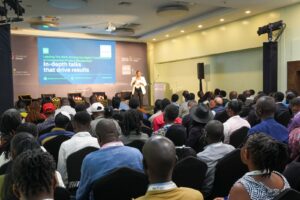
How Samsung is Making AI Work for Every Kenyan

In Nairobi, a quiet tech revolution is happening. While many think high-end AI is only for phones costing over Ksh 150,000, Samsung is changing the story.
The global tech giant believes that AI usage shouldn’t be an exclusive club, it should be a practical tool for every Kenyan, found in everything from the phone in your pocket to the fridge in your kitchen. By bringing Galaxy AI and Bespoke AI to more affordable devices and appliances, Samsung Electronics is ensuring that the future of technology belongs to everyone in the world Nairobi included and not just a select few.
For years, new tech arrived in emerging markets Kenya included long after the rest of the world. Samsung Electronics is stopping that cycle. Samsung as a brand recognizes that in Nairobi, a smartphone or a washing machine isn’t just a luxury, it’s a tool for survival.
To tackle local challenges like high data costs and spotty internet, Samsung Electronics introduced on-device AI. This means your Galaxy phone processes information right there on the device rather than sending it to a distant server. The result? Advanced tools stay fast and functional even on weak networks all while saving you money on data.
In Kenya’s digital economy, your phone is your everyday office and tool. With Galaxy AI, a Nairobi content creator can edit professional-grade videos on their phone without needing expensive software or high-speed fiber. Meanwhile, entrepreneurs can use real-time translation on mid-range Galaxy devices to close deals across borders.
This brain power doesn’t stop with your phone, it moves right into your home through the Bespoke AI line, where your appliances become a true Home Companion. By connecting your Galaxy device to your household via the SmartThings app, features like AI Energy Mode can automatically lower power usage when electricity costs are high, while AI Inverter Technology acts as a shield to protect your fridge and washer from Nairobi’s frequent power fluctuation This intelligence even handles the chores, as AI Wash and Ecobubble technology allow your washer to think for you by sensing fabric weight and dirt levels to use the perfect amount of water and detergent.
This shift is driven by a new generation of Kenyans, professionals and creators aged 25–45, who want world-class tech that fits their budget. Samsung is supporting this by partnering with local institutions like JKUAT, ensuring Kenyan students are trained to build on these AI platforms.
Over the next few months, as these connected devices roll out across the region, the message is clear, the AI revolution is for Nairobi. Whether it’s a student using AI to summarize lecture notes or a family saving on their monthly power bill through smart monitoring, the goal is simple to make life easier to allow more time for the things that really.
Samsung isn’t just selling gadgets, they are building a bridge between mobile productivity and home efficiency, empowering Nairobi to lead the global tech conversation from the ground up.