From Lagos to New York: Dr. Ogenetega Madedor’s Path to Medicine Rooted in Service
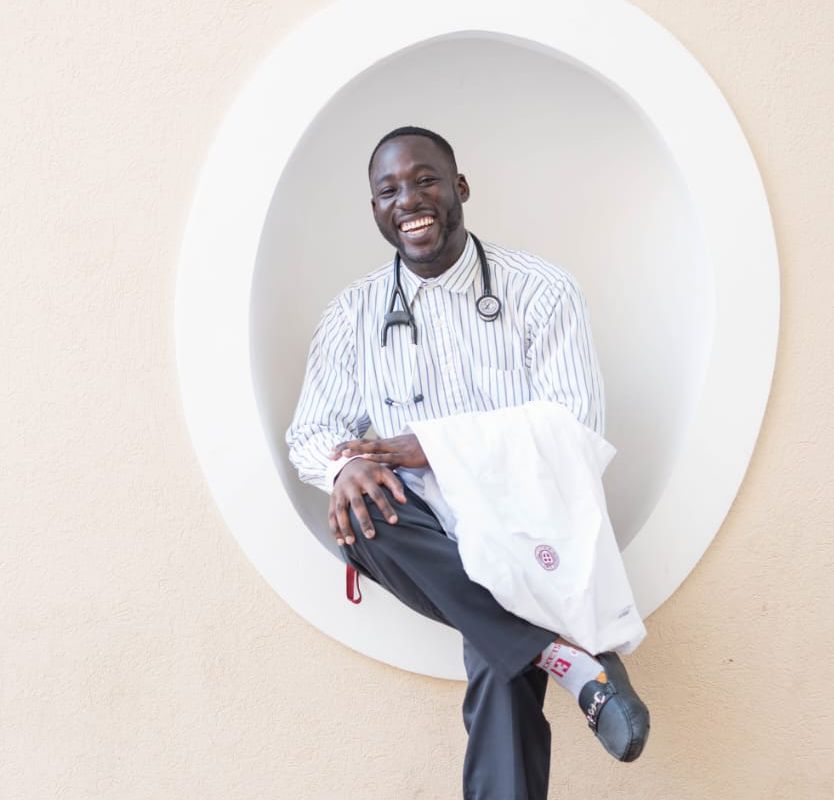
Dr. Ogenetega Jeremiah Madedor
Growing up between Nigeria and the United States, Dr. Ogenetega Jeremiah Madedor, MD ’20, developed an early awareness of the challenges many families face when access to healthcare is limited.
His exposure came through volunteering at a Veterans Affairs hospital, serving in homeless shelters, and participating in church-led mission trips—experiences that revealed how often medical needs go unmet among vulnerable populations.
This foundation of service informed his decision to pursue medical training at St. George’s University School of Medicine (SGU) in Grenada, West Indies. At SGU, Dr. Madedor was immersed in a multicultural academic environment supported by rigorous coursework and structured learning systems designed to prepare students for demanding clinical careers.
Reflecting on his training, Dr. Madedor describes the experience as both difficult and formative. “SGU was one of the most challenging and exhausting journeys of my life,” he says, noting that the intensity of the program equipped him to navigate future professional obstacles.
During his clinical rotations, he worked closely with underserved patients, many of whom faced financial strain, time constraints, or difficulties navigating healthcare systems. According to Dr. Madedor, access to care extends beyond insurance coverage. “Patients may have insurance but no time to get care, or they may lack resources completely,” he explains.
These encounters reinforced his commitment to patient-centered care. He credits SGU’s clinical faculty with shaping his perspective, emphasizing the importance of viewing patients as individuals on a healthcare journey rather than brief clinical encounters. This approach continues to guide his medical practice.
Following medical school, Dr. Madedor pursued advanced training in infectious disease. He completed his fellowship in July 2025 and is currently an infectious disease fellow at a university hospital in the United States. His work remains focused on addressing healthcare access challenges, particularly among marginalized communities affected by systemic inequities.
Beyond academics and clinical training, Dr. Madedor recalls SGU as a supportive environment that contributed to his personal growth. Late-night study sessions, a strong sense of community, and familiar campus food vendors helped foster a feeling of belonging that allowed him to thrive.
As he continues to build his career, Dr. Madedor remains driven by the belief that quality healthcare should be accessible to all. His journey from Lagos to New York highlights how dedication, opportunity, and purpose-driven medical training can translate into meaningful impact in healthcare delivery.