
TVS launches smart electric scooter in Kenya as EV adoption gathers pace
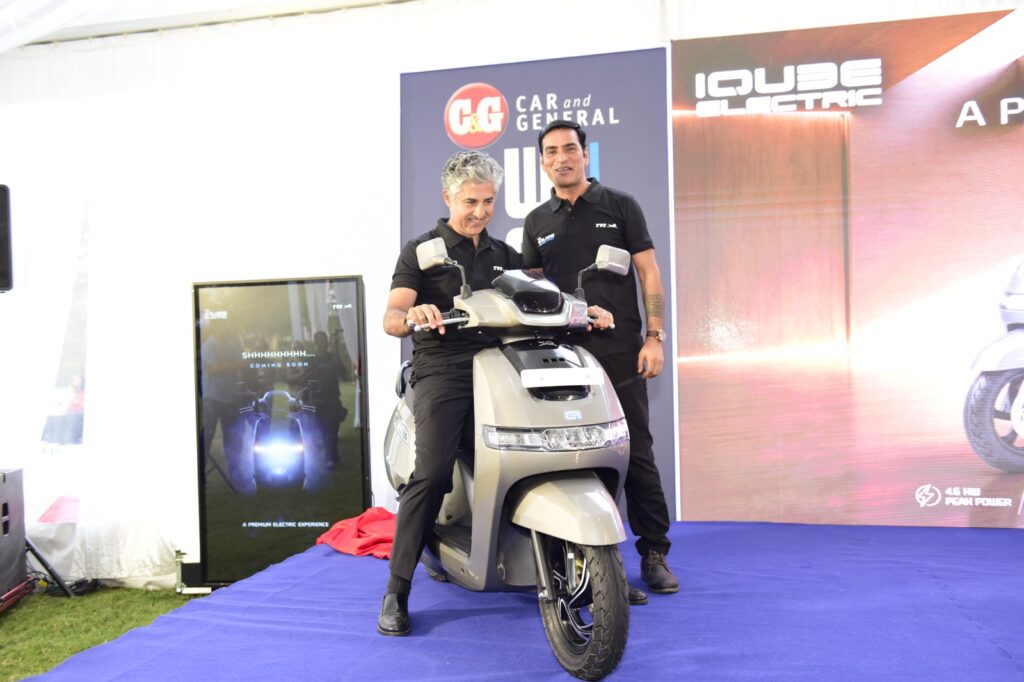
Indian motorcycle manufacturer TVS Motor Company has entered Kenya’s electric mobility market with the launch of the TVS iQube, a connected electric scooter that signals the company’s first expansion into Africa’s growing EV sector.
The launch comes as technology-driven transport solutions gain traction in Kenya, where rising fuel prices and expanding charging infrastructure are encouraging consumers to consider electric alternatives for daily commuting.
Unlike conventional scooters, the TVS iQube integrates digital features through the company’s SmartXonnect platform, allowing riders to access navigation, ride analytics and battery charging information from their smartphones. The scooter also includes reverse parking assist, a digital instrument cluster and battery management technology designed to improve safety and battery life.
TVS said the scooter can travel between 75 and 115 kilometres on a single charge, depending on the model, and can be recharged using a portable charger plugged into a standard household power outlet, eliminating the need for specialised charging equipment.
The company is partnering with Car & General to distribute the scooter and provide nationwide after-sales support through its existing dealership network.
“The launch of the TVS iQube in Kenya marks our entry into the African market and reflects our continued focus on expanding innovative electric mobility solutions globally,” said Peyman Kargar, President of International Business at TVS Motor Company.
Industry players expect Africa’s electric two-wheeler market to outpace the broader motorcycle industry over the next decade. According to Car & General Chief Executive Officer Vijay Gidoomal, while the overall African two-wheeler market is projected to grow by between 7 and 10 percent annually through 2030, electric motorcycles and scooters are forecast to expand at a faster rate of between 15 and 25 percent.
TVS says the iQube has already surpassed one million users globally, with riders collectively covering more than 17.8 billion kilometres. The company estimates the fleet has helped avoid more than 623,000 tonnes of carbon dioxide emissions.
The scooter will be available in Kenya in two variants—the TVS iQube 2.2 and TVS iQube 3.5—both powered by lithium-ion batteries and offering top speeds of up to 82 kilometres per hour. Both models feature IP67-rated waterproof battery systems and digital connectivity aimed at improving the urban commuting experience.
The launch adds to the growing number of electric mobility technologies entering the Kenyan market as manufacturers increasingly compete on battery range, software features, connectivity and lower operating costs rather than engine performance alone.