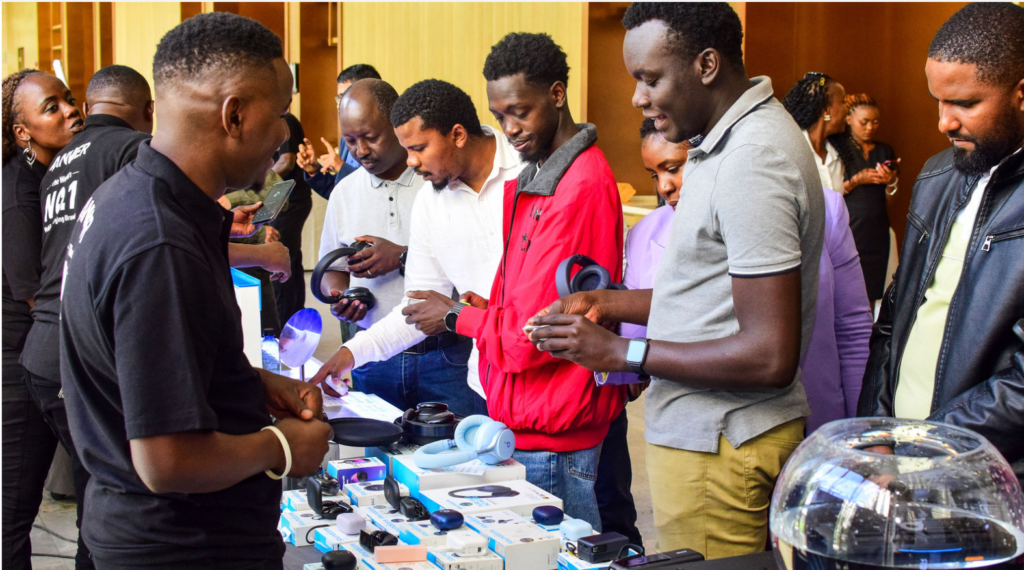
Kenya’s electronics market shifts towards value as consumers seek durable accessories

Kenya’s highly price-sensitive electronics market could be entering a new phase as consumers increasingly weigh durability, warranties and product quality against the initial cost of gadgets and accessories.
The shift is creating an opportunity for established technology brands to compete beyond price by offering products backed by longer warranties, certification and after-sales support.
Anker, a global consumer electronics brand specialising in charging technology, audio products and power systems, says Kenya has a significant market for low-cost accessories but there remains a gap for quality and original products that offer consumers better value over their lifespan.
Anker Kenya Country Manager John Kiprotich, said the company was positioning its products around durability and reliability as it seeks to expand its presence in the Kenyan market.
“We have realised that there is a gap of white products and original products, we think that in Kenya we have a gap of that,” Kiprotich said, referring to the market for generic accessories.
The company is now seeking to take advantage of the opportunity by expanding its distribution network, initially targeting seven counties including Nairobi, Nakuru, Kisumu, Mombasa, Meru, Machakos and Kakamega.
Anker sees Kenya as a strategic market for its wider East African expansion, with the company viewing the country as a springboard into the region.
“Kenya is the backbone of East Africa. Any business that starts in Kenya always elevates itself to the rest of the countries in Africa,” Kiprotich said.
The company is targeting annual sales of about $1 million as it builds its presence in the selected markets.
From cheap to value
For consumers, the attraction of inexpensive chargers, cables and other accessories has traditionally been their low upfront cost. However, frequent replacement can make cheaper products more expensive over time.
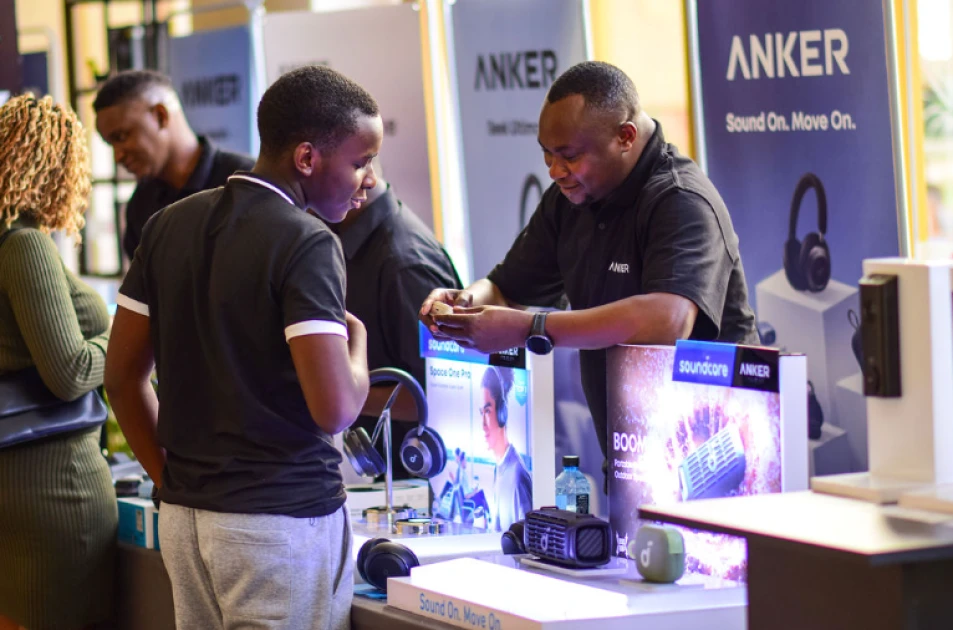
Anker says its strategy is to persuade consumers to consider the total value of a product rather than simply its purchase price.
Kiprotich gave the example of charging cables, saying consumers could repeatedly purchase cheaper cables that fail within a short period, rather than buying a higher-quality product designed to last longer.
“How much are you going to spend in a month buying a cable that maybe fails every time, instead of just taking your 650 shillings to buy one-time cable that will last you over 18 months?” he said.
The company says its products are designed to offer consumers longer usage periods, with its charging accessories and other products backed by an 18-month warranty.
Under its warranty arrangement, customers can return faulty products to the point of purchase for replacement, with the defective products subsequently returned to the manufacturer.
Anker says the approach is intended to give consumers greater confidence when purchasing technology products while also ensuring that quality issues can be traced back through the manufacturing process.
Quality becomes a selling point
The push towards value is also being supported by growing consumer interest in recognised brands, certification and after-sales support.
Anker says its portfolio includes charging accessories, audio products, power systems and CCTV cameras, with charging and audio identified as areas where the company sees particularly strong potential in Kenya.
The company is also positioning its products around compatibility with major technology ecosystems. Kiprotich pointed to Anker’s certification for Apple products as part of its credentials in the global accessories market.
The company says this is particularly important in a market where consumers can find a wide range of generic charging products at significantly different prices.
The availability of poor-quality accessories can expose consumers to products that may fail quickly or potentially damage devices, making reliability an increasingly important consideration when choosing accessories.
Anker says its charging technology incorporates temperature monitoring designed to manage heat generated by both the charger and connected device.
This, the company argues, can help improve the longevity of charging equipment and reduce the risk associated with excessive heat during charging.
Audio market presents new opportunity
Beyond charging, Anker sees considerable potential in Kenya’s audio market as consumers increasingly rely on headphones and other personal audio devices.
The company says its headphones incorporate technology designed to regulate sound output based on usage, with the aim of helping users manage their exposure to high sound levels.
Anker says the technology processes audio and regulates the amount of sound delivered to the user’s ears.
The company believes this type of technology could help differentiate branded audio products from cheaper alternatives, particularly as consumers become more conscious of the quality and features of the devices they use.
For Anker, the broader strategy is to move consumers away from viewing electronics accessories purely as low-cost commodities and towards considering quality, features, durability and support when making purchasing decisions.
Building consumer confidence
Counterfeit products remain another challenge for global brands seeking to grow in Kenya.
Kiprotich said Anker was concerned about counterfeit products because consumers who unknowingly purchase fake products can associate the poor experience with the genuine brand.
“Counterfeit normally breaks brand loyalty,” he said, noting that a customer could buy a counterfeit product innocently and subsequently lose trust in the brand.
Anker says it is working with the Kenyan government on ways of addressing the challenge and protecting consumers and legitimate brands.
The company has also established two service centres in Nairobi, although its current model focuses on product exchange rather than local repair.
Products returned under the warranty are sent back to the manufacturer, allowing the company to maintain its quality standards.
As Anker expands beyond Nairobi into other parts of the country, the company is betting that Kenyan consumers will increasingly consider the longer-term value of electronics products rather than focusing solely on the cheapest option available.
The strategy puts durability, certification, warranty and after-sales support at the centre of Anker’s pitch as it seeks to build a larger share of Kenya’s fast-growing consumer electronics market and use the country as a base for expansion across East Africa.