
Lack of sponsors weighing down e-gaming professionals
Kenya’s growing esports community is struggling to turn gaming talent into sustainable full-time careers, with players citing limited sponsorships, inadequate equipment, small prize pools and unreliable access to affordable internet as barriers to professional competition.
While interest in competitive gaming continues to expand across mobile, console and computer platforms, many Kenyan players are still forced to balance esports with other jobs, limiting the time they can dedicate to training and competing at international level.
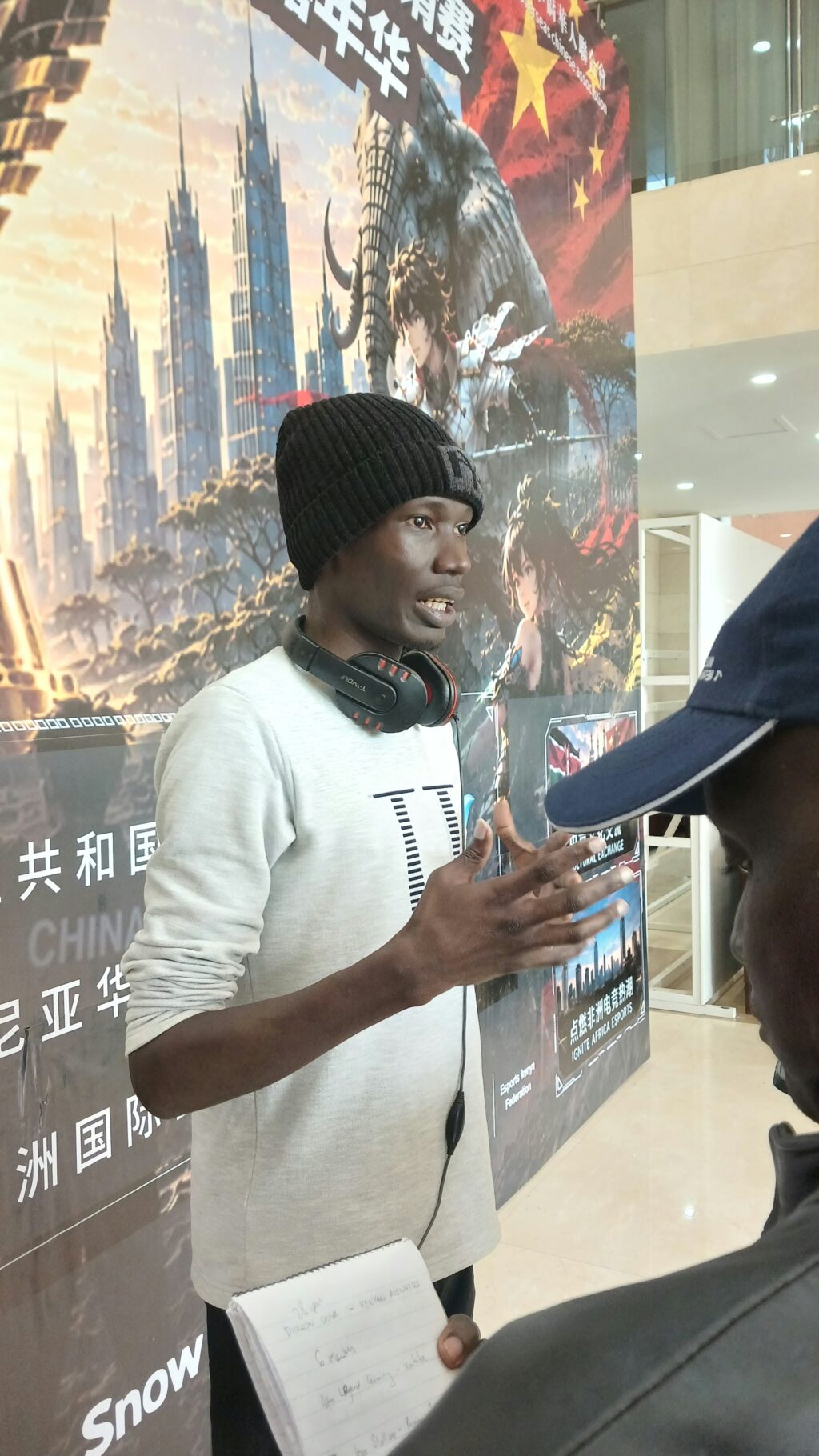
Dickson Owiya, a Kenyan esports player and content creator who uses the gaming name Troy, said the local industry had talented players but lacked the financial support needed to develop them into full-time professionals.
“Most of us who participate in esports are people who also have day jobs. We work our jobs and then come and play the game when we have the time,” said Owiya.
He said this created a disadvantage when Kenyan teams competed against players in countries where esports had developed into a professional industry, with teams offering salaries and full-time sponsorships.
“Competing with people who play this game full-time becomes quite a challenge,” he said, calling for increased investment to help Kenyan players compete globally.
According to Owiya, prize pools remain the main source of earnings for successful esports players, but the amounts available locally are not yet sufficient to support careers.
He said many players continued to participate out of passion while hoping the industry would eventually become commercially viable.
The lack of funding also extends to the wider esports ecosystem, which includes coaches, administrators, tournament organisers and content creators.
Owiya said Kenya needed more gaming content creators to improve the visibility of local players and attract the attention of international game publishers.
He said greater visibility would help publishers recognise that Kenya has an active gaming community beyond the numbers recorded on their servers.
The industry is also seeking investment in gaming centres, modern devices, competition facilities and internet connectivity.
Owiya said even small differences in device performance and connection speeds could affect the outcome of competitive matches.
“A fraction of a second can mean the difference between a win and a loss,” he said, adding that he currently uses an ageing basic device for gaming.
He called on the government, investors, smartphone manufacturers and internet service providers to support the sector through equipment, facilities and affordable data bundles.
Telecommunications companies, including Safaricom and Airtel, could benefit from the expansion of mobile esports, which allows players to compete using smartphones rather than expensive computers or consoles, he said.
The commercial opportunity extends beyond professional players, with gaming creating potential demand for streaming, advertising, coaching, event management and digital content production.
Kenya Chinese Youth Association chairperson Justina Yang said the inaugural Kenyan Elephant Cup was intended to bring Kenyan and Chinese youth together through esports and create opportunities for future partnerships.
She said the organisers hoped to make the tournament an annual event, providing a platform for continued interaction between the two communities.
The tournament brought together four Kenyan teams and more than 20 local players, according to Yang, highlighting the talent available despite the sector’s limited resources.