
LG WashTower: The Future of Laundry Is Intelligence, Not Effort
For decades, washing machines competed on one thing: power. Manufacturers built bigger drums, faster spin cycles and more powerful motors, each promising to clean clothes better than the last. While those improvements mattered, they all worked from the assumption that the machine’s role was simply to do more.
Today, that assumption is beginning to change. The next generation of appliances is being designed not just to work harder, but to make better decisions on behalf of the user. In many ways, the real innovation is about reducing the number of choices people have to make in their daily routines.
A machine that reads the load
Laundry is a good example. Every load is different. One wash may contain towels and bed linen, the next a mix of office wear, sports gear and children’s school uniforms. Traditionally, getting the best results depended on the person standing in front of the machine. They had to choose the right programme, decide on the spin speed and hope the settings suited the fabrics inside. Most of us relied on habit more than certainty.
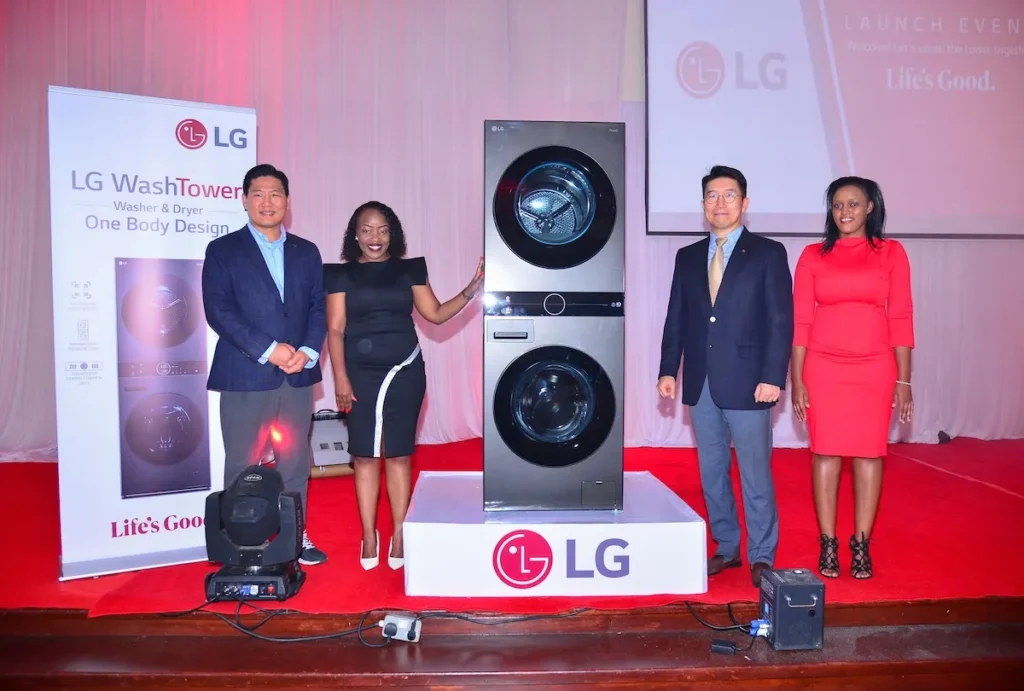
That is where appliances such as the LG WashTower are changing expectations. Its AI DD™ technology analyses both the weight and fabric characteristics of each load before selecting the most appropriate wash motions. Instead of asking users to guess which programme is best, the appliance makes informed adjustments automatically.
Different fabrics respond differently to washing, and treating every load the same can shorten the life of clothing. Smarter washing helps garments retain their shape, texture and appearance for longer. At a time when households are paying more attention to the value of everything they buy, helping clothes last longer can be just as important as getting them clean.
Speed without the trade-off
The same thinking extends to speed. Most people would gladly spend less time doing laundry, but not if faster cycles meant poorer results. LG’s TurboWash™ 360 technology tackles that challenge differently. By directing water and detergent from multiple angles, it allows selected wash cycles to be completed in as little as 39 minutes while still delivering thorough cleaning.
For busy households, that matters. Between commuting, work, school activities and family responsibilities, finding time for household chores can be difficult. Saving twenty minutes on every wash cycle may sound modest, but over weeks and months those small gains add up, giving people more flexibility in already crowded schedules.
Drying that understands restraint
Drying has also become more intelligent. Rather than relying on continuous high heat, the WashTower’s Dual Inverter Heat Pump dryer recirculates heated air to dry clothes more efficiently while using less electricity. Moisture sensors continually monitor the load and adjust drying times accordingly, preventing clothes from being exposed to unnecessary heat once they are already dry.
That approach delivers two important advantages. It helps reduce household energy consumption while also being gentler on fabrics, preserving the quality of clothing over time. It is a reminder that modern appliances are increasingly being designed to balance performance with long-term efficiency rather than simply delivering maximum power.
Intelligence you can check on
The intelligence does not stop once the wash cycle begins. Through the LG ThinQ™ app, users can start, monitor and receive notifications about laundry cycles from their smartphones. Someone caught in Nairobi traffic or working late at the office can check whether a load has finished without being physically present.
Evolving alongside the customer
These developments point to a broader shift in the way household technology is evolving. Consumers are no longer impressed simply by specifications or larger motors. They are looking for products that fit into their lives, anticipate their needs and quietly remove everyday frustrations without demanding constant attention.
In that sense, the future of laundry is not really about washing clothes faster or spinning them harder. It is about creating appliances that understand what they are washing, adapt automatically and allow people to spend less time managing routine tasks.
As more Kenyan households embrace connected living and place greater value on convenience, efficiency and energy savings, this kind of intelligent automation is likely to become the new benchmark. The smartest appliance may not be the one with the most features, but the one that requires the least effort to use while consistently delivering better results.