E mobility Firm Roam targets 50Pc Local Spare parts Sourcing by 2027
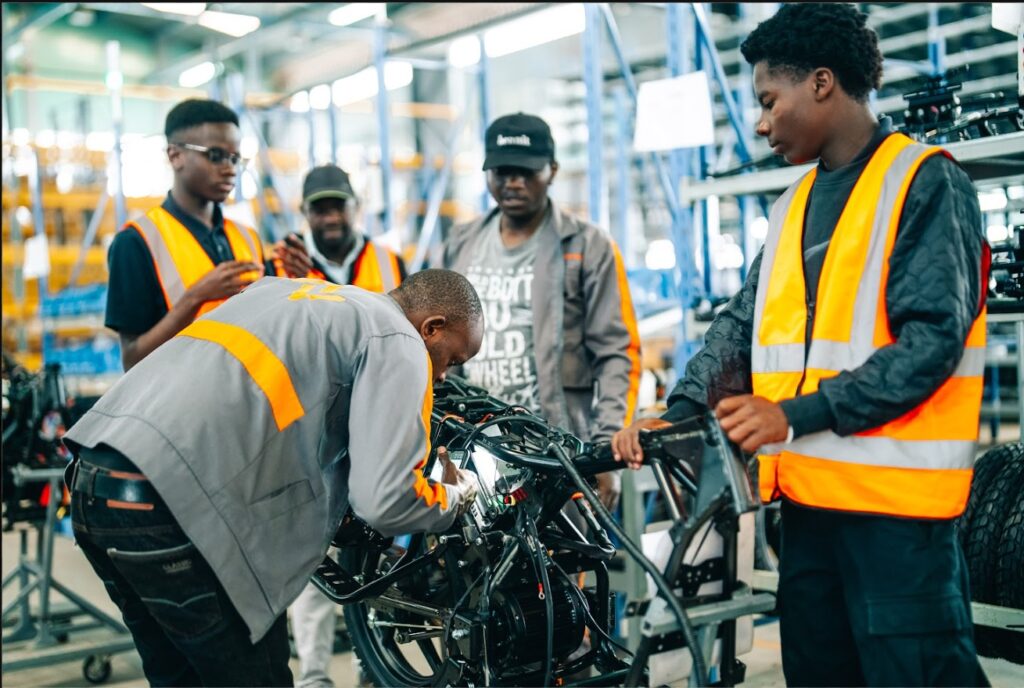
Electric motorcycle manufacturer Roam has increased the share of locally produced components in its Roam Air motorcycle to 40 percent, as manufacturers seek to deepen local value addition in Kenya’s growing electric mobility industry.
The company said more than 50 components used in the motorcycle are now manufactured in East Africa by more than 10 Kenyan and Tanzanian companies. Roam is targeting 50 percent local content by 2027, with the motorcycle chassis among the next components it plans to produce locally.
The push for greater local production comes ahead of new East African Community manufacturing and local-content rules scheduled to take effect in July 2027.
Roam said shifting production closer to the market has shortened supply chains and reduced the time riders wait for replacement parts.
For example, lead times for cowlings and space tanks, previously sourced from India, have fallen from 18 weeks to two weeks after production was moved to local suppliers. The company also said the cost of purchasing and replacing a space tank has dropped by about 40 percent.
The shorter supply chains could be significant for motorcycle taxi operators, whose incomes depend on keeping their vehicles on the road.
“For me, that matters because every day the bike is not working is a day you are not earning,” said Fred Omoro, a boda boda rider in Ruaraka who has used the Roam Air since 2022.
The localisation drive is also creating a market for Kenyan-made components beyond Roam’s own motorcycles.
The company said riders outside its network are purchasing locally produced helmets, side mirrors, rims, cowlings, stands and electrical components. Roam is also seeking to make the parts compatible with other motorcycle brands across East Africa, including in Rwanda, Uganda, Tanzania and Ethiopia.
The move comes as regional rules push manufacturers towards greater use of locally produced inputs.
The EAC Assembling and Manufacturing of Products Regulations, 2025, scheduled to take effect on July 1, 2027, define local content to include raw materials, parts and components manufactured within the Community. The regulations require manufacturers to develop time-bound plans for sourcing goods made within the EAC and provide incentives linked to the use of regional inputs.
Kenya has also been moving towards increased local sourcing in the electric mobility sector. Legal Notice 112 of 2020 requires motorcycle assemblers benefiting from duty remission to source specified locally available parts and maintain a time-bound localisation plan. Government policy has subsequently called for phased local-content requirements for electric vehicles and development of local supply chains for components and batteries.
Roam Country Manager Habib Lukaya said the company intends to increase the share of locally produced components to half of the motorcycle.
The company expects deeper localisation to expand opportunities for African suppliers while creating demand for technical skills and manufacturing capacity.
Kenya Association of Manufacturers chief executive Tobias Alando said increased local production could help suppliers build capacity and strengthen regional manufacturing chains.
“The focus now should be on moving further up the value chain and ensuring that the growth of e-mobility translates into broader industrial development,” he said.
Roam’s localisation push follows growing efforts to establish an electric mobility manufacturing ecosystem in East Africa, with local suppliers increasingly positioned to serve both vehicle manufacturers and the wider motorcycle market.